How Pain Relief Massage Techniques Help Alleviate Pain

If you’ve ever felt the tension melt away after a good massage, you know there’s something magical about it. But did you know that specific pain relief massage techniques can do more than just relax your muscles? They can actually help ease chronic pain, improve mobility, and boost your overall well-being. Today, I want to share with you how these techniques work and why they might just be the missing piece in your wellness routine.
Understanding Pain Relief Massage Techniques
Let’s start with the basics. Pain relief massage techniques are specialized methods designed to target areas of discomfort and stiffness. Unlike a general massage that focuses on relaxation, these techniques aim to reduce pain by addressing the root causes—whether it’s muscle knots, inflammation, or nerve irritation.
Some popular pain relief massage techniques include:
Deep Tissue Massage: This involves applying firm pressure to reach deeper layers of muscle and fascia. It’s great for chronic aches and tightness.
Trigger Point Therapy: Focuses on releasing tight “knots” in muscles that refer pain to other parts of the body.
Myofascial Release: Gentle, sustained pressure to loosen the connective tissue surrounding muscles.
Swedish Massage: While often used for relaxation, it can also improve circulation and reduce muscle tension.
Each technique has its own unique benefits, and often, a skilled therapist will blend several approaches to tailor the session to your needs.
How These Techniques Actually Work
You might wonder, how does rubbing or pressing on your muscles actually reduce pain? It’s a fascinating process involving your body’s nervous and circulatory systems.
When pressure is applied during a massage, it stimulates sensory receptors in your skin and muscles. This stimulation sends signals to your brain that can block pain messages from reaching your conscious mind—a bit like turning down the volume on discomfort. This is known as the gate control theory of pain.
Additionally, massage increases blood flow to the affected areas. Better circulation means more oxygen and nutrients reach your tissues, helping them heal faster. It also helps flush out toxins and reduce inflammation, which are common culprits behind persistent pain.
On top of that, massage encourages the release of endorphins—your body’s natural painkillers. These feel-good chemicals not only reduce pain but also improve your mood and promote relaxation. It’s a win-win!
What to Expect with a Therapeutic Massage?
If you’re new to therapeutic massage, you might be curious about what happens during a session. Here’s a little sneak peek:
Initial Consultation: Your therapist will ask about your pain history, lifestyle, and any specific areas of concern. This helps them customize the treatment.
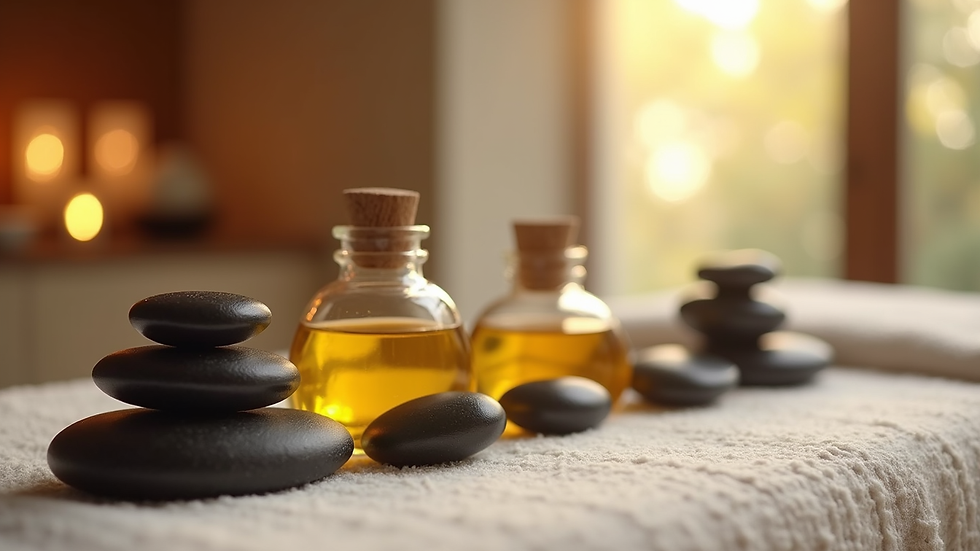
Comfortable Environment: Expect a calm, soothing space with soft lighting and gentle music. You’ll be asked to lie down on a massage table, usually draped with towels for privacy.
Targeted Techniques: The therapist will use a combination of strokes, pressure, and stretches tailored to your needs. You might feel some discomfort if working on tight knots, but it should never be painful.
Feedback is Key: Don’t hesitate to speak up if the pressure is too much or too little. Your comfort is important.
Post-Massage Care: After the session, you might feel relaxed or even a bit tired. Drinking water and resting can help your body process the benefits.
Many people notice immediate relief, but sometimes it takes a few sessions to experience lasting improvements. Patience and consistency are your friends here.

Practical Tips to Maximize Your Pain Relief Massage Experience
Getting a massage is just one part of the journey. Here are some simple tips to help you get the most out of your sessions:
Communicate Openly: Share your pain levels, preferences, and any discomfort during the massage.
Stay Hydrated: Water helps flush out toxins released during the massage.
Stretch Gently: Light stretching after your session can maintain muscle flexibility.
Schedule Regular Sessions: Consistency can lead to better long-term results.
Combine with Other Therapies: Physical therapy, exercise, and mindfulness can complement massage benefits.
Listen to Your Body: Rest when needed and avoid strenuous activities immediately after.
By treating your body with kindness and care, you’ll find that pain relief massage techniques become a powerful tool in your wellness toolkit.
Why Choose a Local Expert for Your Pain Relief Needs?
Living in Whitchurch-Stouffville, you’re lucky to have access to professionals who understand the unique needs of our community. When you work with someone like Lisa Schiavo, RMT, you’re not just getting a massage—you’re gaining a partner dedicated to your long-term health.
Lisa’s approach is holistic and personalized. She combines her expertise with genuine care to help you achieve lasting relief and improved well-being. Whether you’re dealing with chronic pain, recovering from an injury, or simply want to feel better in your body, having a trusted expert nearby makes all the difference.
So, if you’re ready to explore how pain relief massage techniques can transform your life, why not take that first step? Your body will thank you!
I hope this gives you a clear picture of how therapeutic massage can be a game-changer for pain relief. Remember, it’s not just about feeling good in the moment—it’s about nurturing your body for the long haul. Here’s to your health and happiness!


Comments